While extreme weather phenomena are increasing, becoming ever more spectacular and terrifying, a major obstacle to bringing collective answers to those events is that they become graspable only once they reach a high destructive power and cause suffering.
It remains quite abstract to embrace and engage with the deterioration of the environment as a whole, as it is made of a complex network of intertwined agents, factors and moments which, individually, are often not impressive. The dramatic changes lie in a chaining of infinitesimal variations.
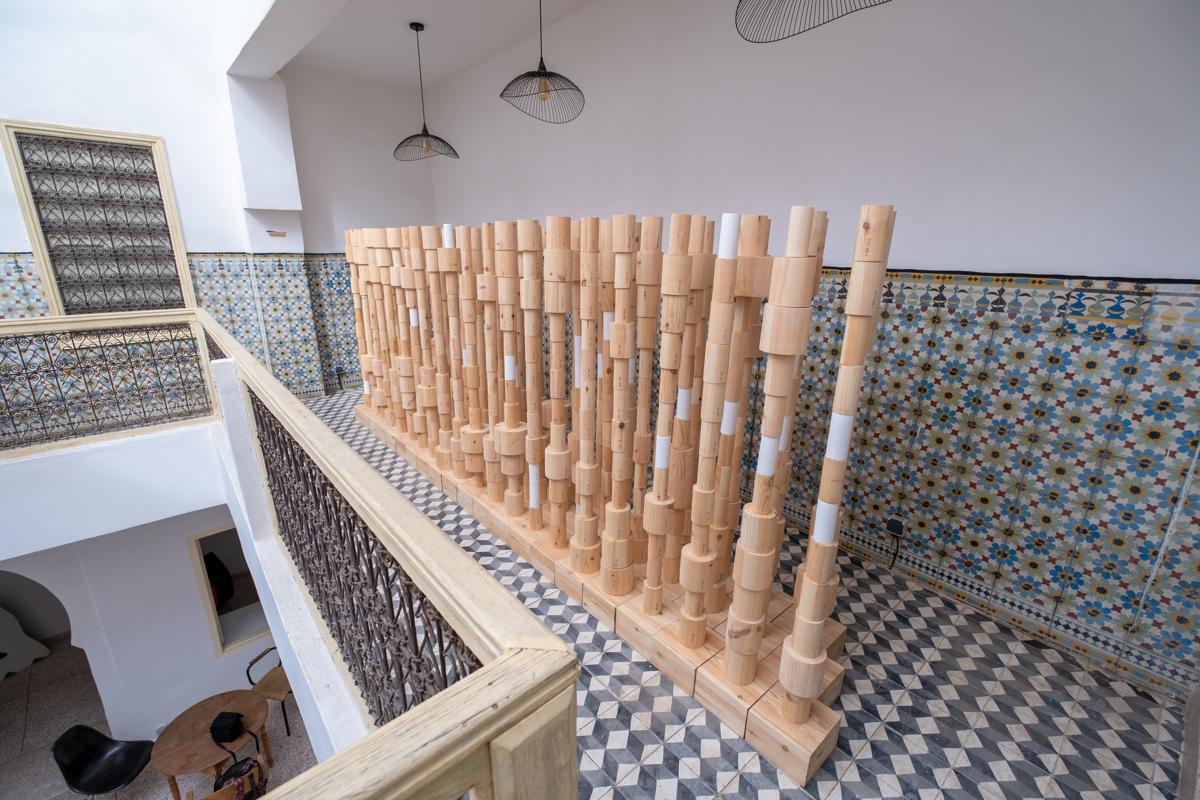
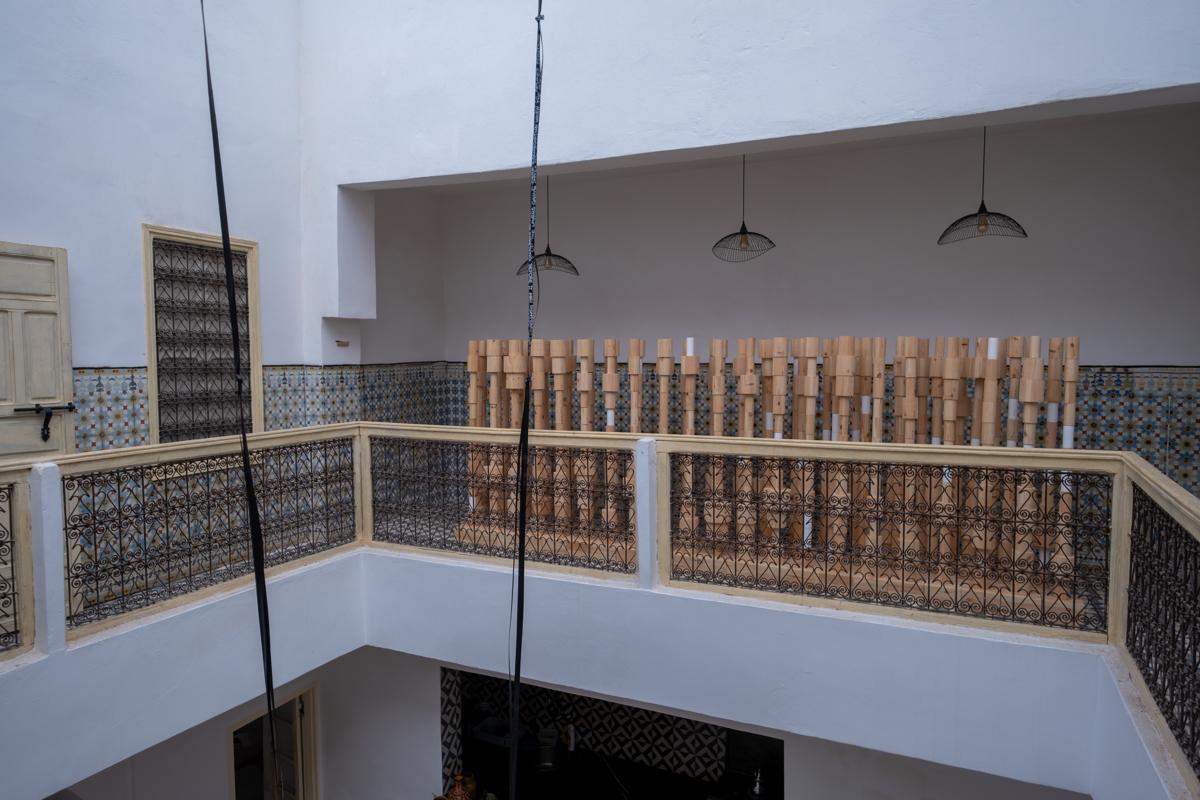
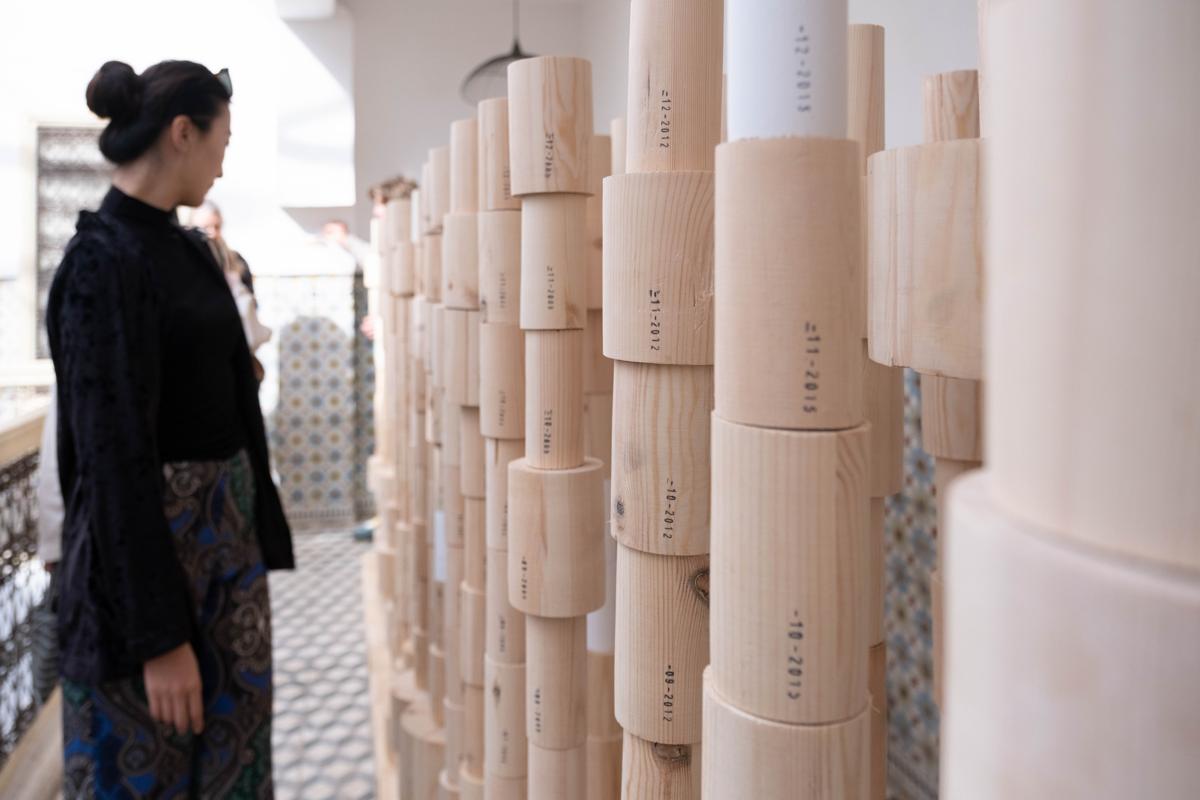
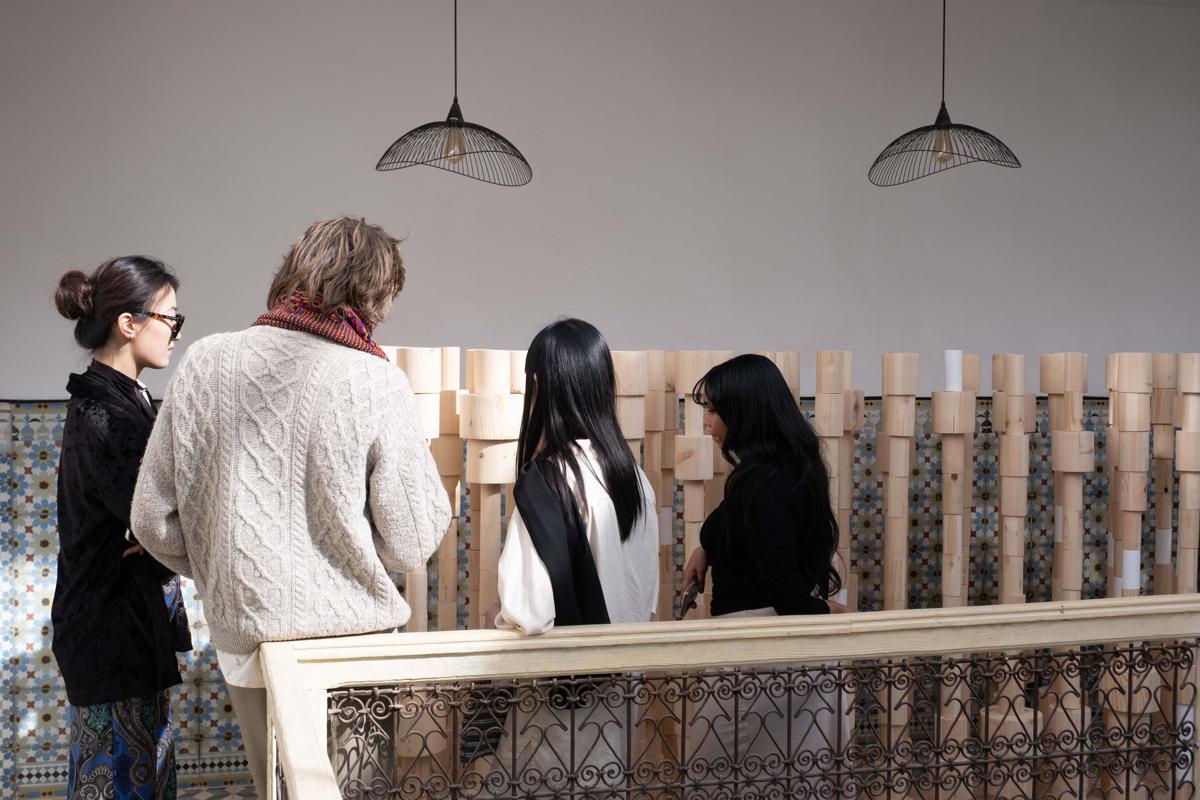
With his research, Pierre Coric makes known data ever so slightly more graspable. The sum of all precipitation since recorded times (1959) in the city of Marrakesh. The city's collective water mountain floating above her streets and fluctuating through some of these very same variations. By giving this data a shape, a physicality and a weight, it becomes an object that we can look at, hold in our hands and around which we can stand to start a collective reflection. The size and material chosen for this piece aim at making it a support to start collecting the results of this reflection, other data, still scattered and uncollected.
«Each of us has a mountain weighing above their head and a pit lying under their feetAs a finite amount of particles, we spend our lives right in between, depending on both, connecting them upwards and downwards. It is part of us, although we sometimes use the word "resource",It travels,It goes from one body to another,From clouds and mountain tops, it spins, turns and sinks into the ground, As if it was making the grass happy to grow.»
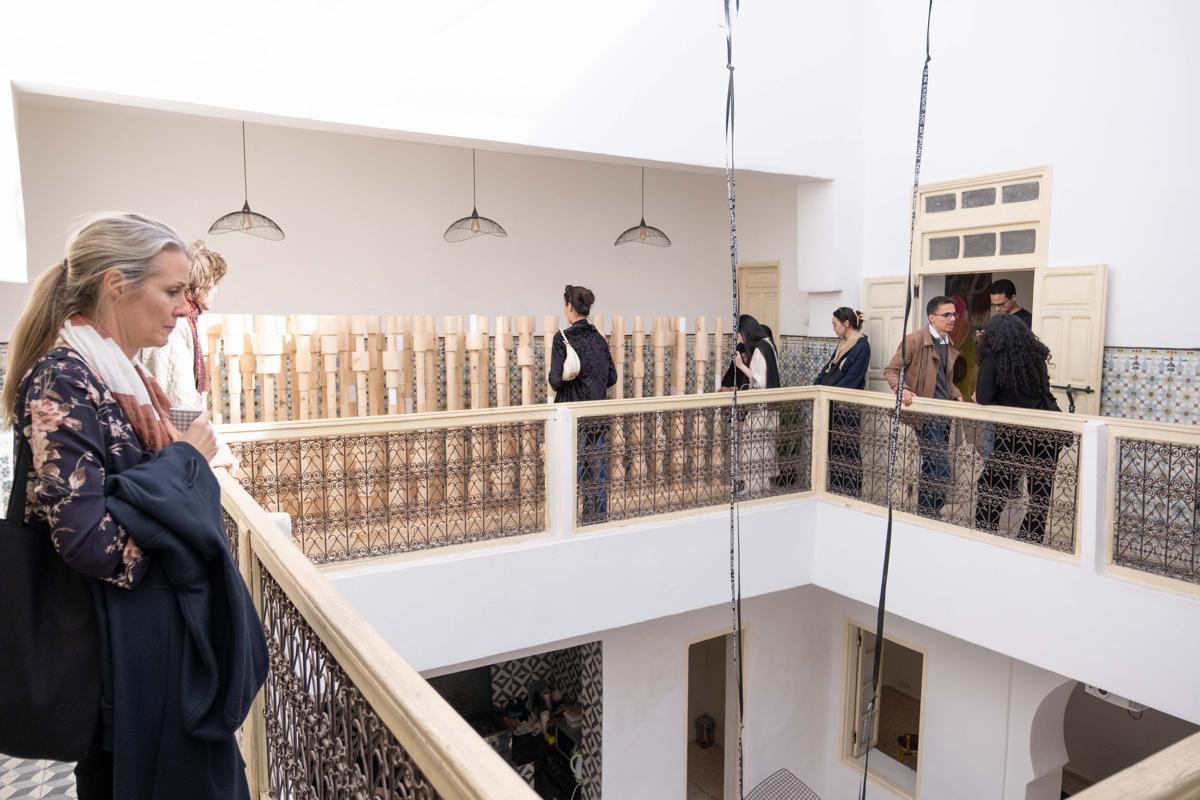
Representation of the rain precipitation in the city of Marrakesh since recorded times. Each column accounts for one year and is made out of 12 wooden cylinders. The diameter of each cylinder amounts for the rainfall of the corresponding month. The cylinders painted white are the months with zero precipitation.
Made during a residency at Le 18.
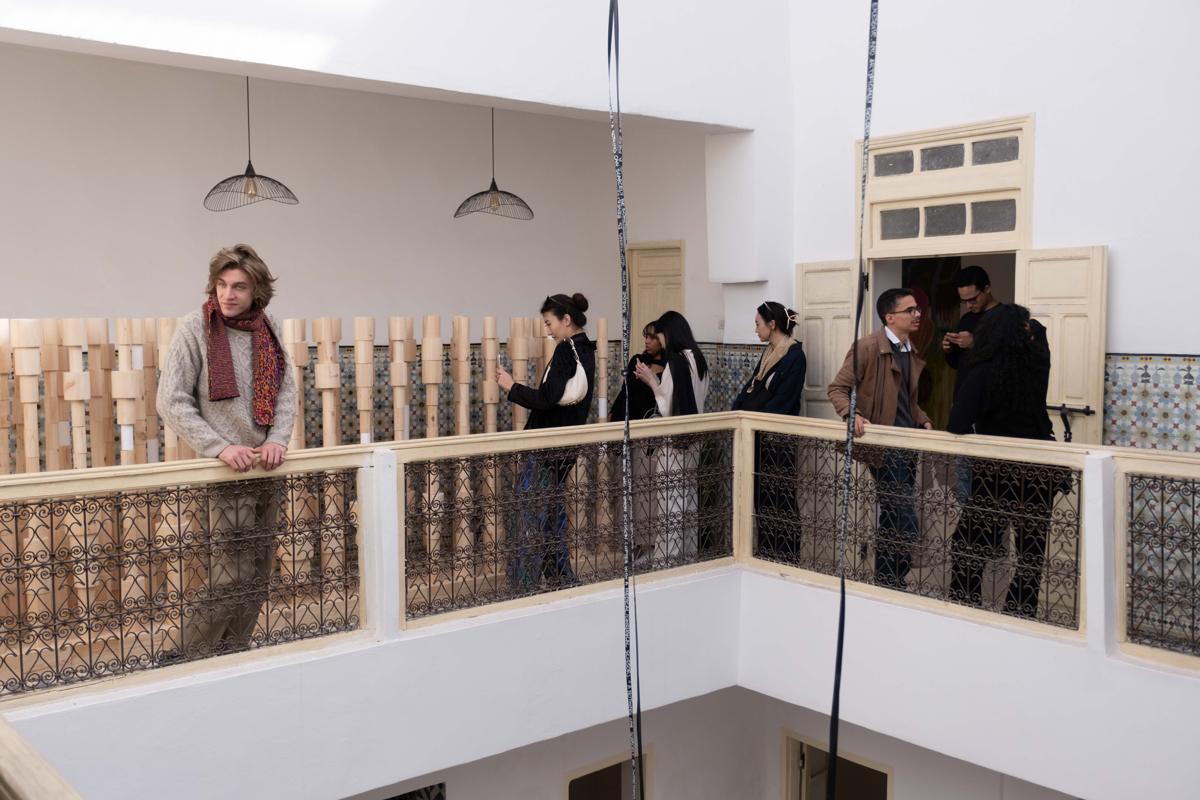
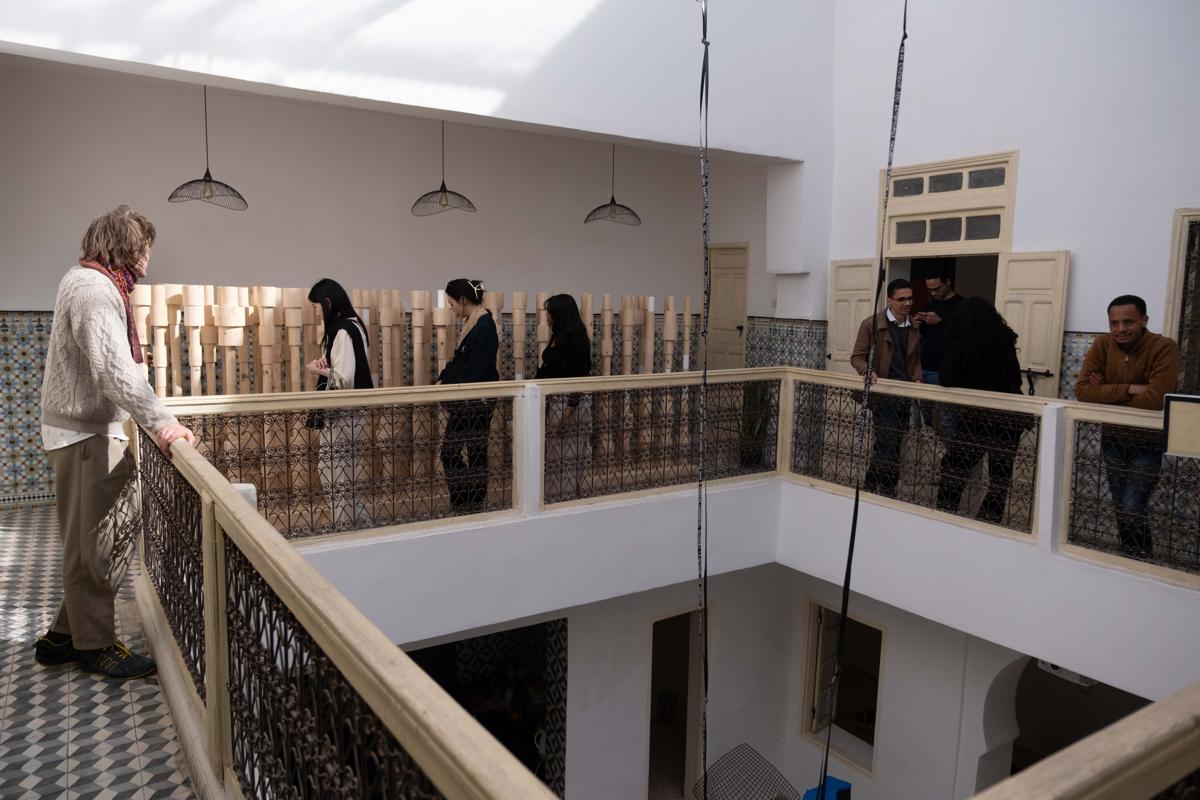
Pictures by Salah Bouade (with audience) and Salaheddine Elbouaaichi (without)
Many thanks to Laila Hida, Oumaima Abaraghe, Othmane Ouallal, Meryem Fekhari, Tamo and Amine Lahrach.